Free support 24/7


Free support 24/7
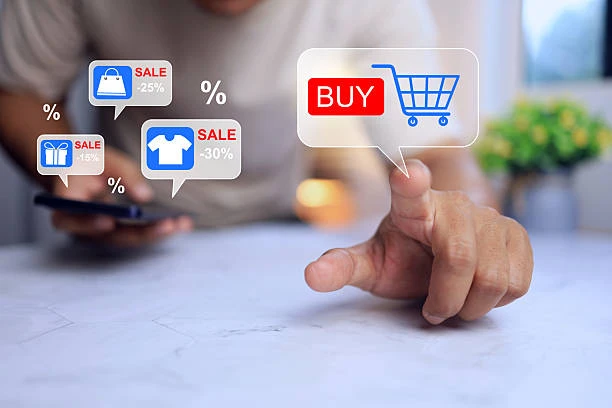
Many shop owners focus all their energy on the product page:
Photos, description, price, and features.
But they're surprised when the customer reaches the checkout… and leaves.
The reason is often not the product.
Or the price.
Or even trust.
The real reason lies in the layout of the checkout page itself.
1. Because the checkout page is the moment of final decision.
On the product page, the customer thinks.
On the checkout page, the customer decides.
Any slight confusion at this moment:
– Scares
– Distracts
– Or makes the customer reconsider
And that's where the sale is lost.
2. Because the customer's mind is under pressure.
At checkout, the customer is:
– With their card
– Focused
– Slightly nervous
So any extra element:
– An unclear step
– A sudden field
– An incomprehensible option
Increases the sense of risk.
3. Because order determines the feeling of security.
An organized checkout page:
– Reassures
– Calms
– Gives a sense of control
On the other hand, a cluttered page:
– Makes the customer feel something is wrong
– Even if everything is working correctly
4. Because too many steps kill enthusiasm
The customer has reached the end…
This isn't the time to test their patience.
If the checkout page is:
– Long
– Branching out
– Or unclear
Enthusiasm cools down quickly,
and they leave without realizing it.
5. Because the order of the fields makes a psychological difference
The order of the data is very important:
– The easiest thing first
– Then the more difficult one
– Without sudden jumps
When you start with something heavy (like lengthy data),
the customer feels the process is tiring from the beginning.
6. Because any small doubt here stops everything
On the product page, doubt can be addressed.
On the checkout page, doubt = exit.
Examples:
– Why do I need this information?
Why did the price change?
Why is there an option I don't understand?
A smart layout reduces questions.
7. Because the checkout page reveals the store's maturity.
Even if the store looks great, a poorly designed checkout page tells the customer:
"The rest might not be right."
The customer subconsciously associates:
Effective checkout organization = store professionalism.
8. Because the customer doesn't want to overthink things here.
At checkout, the customer wants to:
- Complete the process
- Pay
- Leave satisfied
Not compare
- Review
- Recalculate
And a well-organized checkout allows them to proceed without resistance.
9. How do you know if your checkout page has a problem?
Observe:
- Does the customer reach it and leave?
- Are there high numbers of rejected orders?
- Do you get questions like "Why didn't you complete the process?"
The problem is often not with the product…
but with the final step.
10. The product page persuades… the checkout page reassures.
Product page:
– Explains
– Highlights
– Sells the idea
Checkout page:
– Reassures
– Confirms the decision
– Encourages the customer to proceed with confidence
Any flaw here undermines everything that came before.
If you're investing your time:
– One hour on the product page
– Two hours on the checkout page
Because a real sale doesn't happen through persuasion,
it happens through reassurance.

كيف تضع سعراً يجعل العميل يشعر بالربح بينما تضاعف أنت أرباحك

كيف تذكر عميلك بك دون أن تصبح "مصدعاً" ومزعجاً


You can create your store easily