Free support 24/7


Free support 24/7
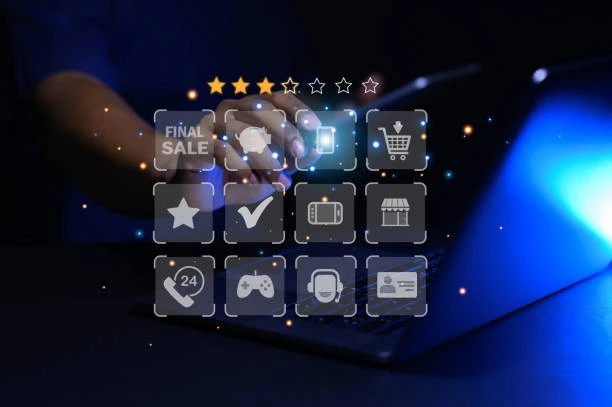
Customers in online stores rarely say they're bored out of their minds. Boredom manifests in subtle, seemingly innocuous behaviors, but it can be dangerous if not noticed early. This article explains the signs that indicate a customer is starting to lose interest before they disappear completely.
1. Decreased Engagement Despite Constant Visits
One of the first signs is that a customer enters the store but doesn't interact as much as before. Their browsing time decreases, they visit fewer pages, or they leave essential pages like the product page. This indicates that the store no longer piques their interest, even if they continue to visit.
2. Repeat Purchases Begin to Disappear
A customer who used to buy occasionally suddenly stops. Not because they're upset, but because they've lost motivation. The store hasn't offered anything new, or the experience has become too predictable, so they unconsciously choose other alternatives.
3. Weaker Response to Offers
Offers that previously motivated customers now go unnoticed. Marketing messages are opened less often or ignored altogether. This means the problem isn't the price, but the overall feeling of the store.
4. Browsing Without Buying
The customer spends time browsing, looking at products, but doesn't finish. This behavior indicates hesitation or boredom, because the store no longer convinces them to take the final step.
5. Questions Decreasing Instead of Increasing
Oddly enough, fewer questions are a bad sign. An interested customer asks questions. When questions decrease, it often means the customer has decided not to continue in the first place, so it's not worth asking.
6. Ignoring New Features
Even if the store adds new products or features, the customer doesn't interact with them. This indicates a weakening relationship, and interest is no longer spontaneous.
7. Cold Responses
When the customer contacts support, their communication is brief, without enthusiasm, or with generic responses. This is a psychological indicator that the store has become "ordinary" in their eyes.
8. Returning Only When Necessary
The customer only enters the store when absolutely necessary. There's no more browsing out of curiosity or interest; this is the final stage of boredom before customers stop.
Customers don't leave the store suddenly.
They get bored first… and then quietly withdraw.
Smart stores:
Notice the change before it disappears
Renew the experience before the relationship is lost

متى يكون التنبيه "مساعداً" ومتى يتحول لـ "إزعاج" يحذف تطبيقك
كيف تضغط حجم تطبيقك بنسبة كبيرة وتحافظ على جودة بصرية مذهلة في 2026


You can create your store easily