Free support 24/7


Free support 24/7
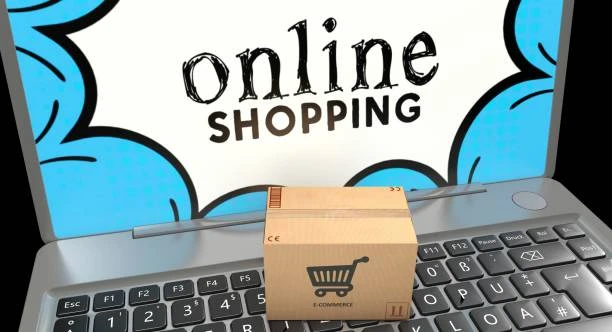
Imagine walking into a restaurant with 200 different items; you'd probably leave not knowing what to order. That's exactly what happens in your online store when you offer too many options. In this blog post, we'll show you when to stop adding new products and stick to what you already have so your sales increase, not decrease.
1. When the customer gets lost among the pages: A customer who enters your store needs to solve a problem or buy something specific quickly. When they see 50 models of the same item, their eyes start to tire and their mind goes blank. Too many choices turn the shopping experience from an enjoyable journey into a tedious and boring task. Customers aren't here to solve puzzles; they're here to buy and leave. If they feel that searching will take their time and effort, they'll close the site and go to a competitor who offers the best deals.
2. The "Quality Doubt" Rule Due to Too Many Offers: When you offer too many models at similar prices, customers start asking themselves, "What's the real difference?" Too many choices make customers suspect you're just a "stockpiler" and don't specialize in anything specific. Specialization gives a store prestige, but when you throw everything at a customer, the value of each product diminishes in their eyes, and they start to feel you're selling anything just for the sake of selling, which undermines their perception of your product's quality.
3. The "Escape to Search" Trap Outside Your Store
The most dangerous thing about too many choices is that it makes customers think, "I'll just watch a comparison video on YouTube and come back to buy." Once a customer leaves your store to decide which model to choose from your offerings, you've lost the sale by 90%. Too many choices make customers seek external opinions to make their decision, and on this journey, they might encounter a competitor's ad or completely change their mind about the product.
4. Inventory Costs That Eat Away Your Profits
Beyond the store's appearance, too many choices lead to unsold inventory and unearned cash. When you offer 10 colors of the same bag, usually only two will sell, while the other eight sit unsold in the warehouse, eating into your capital. A smart store focuses its budget on "winning horses" (products that actually sell), not on filling shelves with unsold items that complicate management and accounting.
5. Difficulty in Customer Service and Responding to Inquiries
The more options you have, the more complex customer questions you'll encounter. "What's the difference between this model and that one?" "Why is this one 10 riyals more expensive?" Your customer service team will be overwhelmed, and responses will be slow and potentially inaccurate. When you limit your options and focus on strong products, your team will know every detail, and responses will be quick and convincing, closing sales in seconds instead of getting bogged down in lengthy technical arguments.
6. Marketing Fragmentation and Targeting Difficulty
When you're running a paid ad, which product should you advertise? Too many options distract you when creating your advertising campaigns. Instead of focusing your entire budget on one "hero" product that generates massive sales, you find yourself spreading the budget across many products, resulting in weak campaigns that don't achieve the desired return. Focusing on a few products makes your marketing message clear and powerful.
7. The Solution Lies in Filtering and Smart Recommendations
If your store naturally needs many options, then random displaying isn't the solution. You must use easy and direct filters (based on price, use, size). Most importantly, you must clearly recommend the best-selling products to the customer. As a store owner, you must guide the customer and say, "This is the best option for you." This guidance reduces customer confusion and makes them feel that you are an expert advising them, not just someone trying to sell them anything.

متى يكون التنبيه "مساعداً" ومتى يتحول لـ "إزعاج" يحذف تطبيقك

كيف تضغط حجم تطبيقك بنسبة 50% دون المساس بجودة الصور


You can create your store easily