Free support 24/7


Free support 24/7
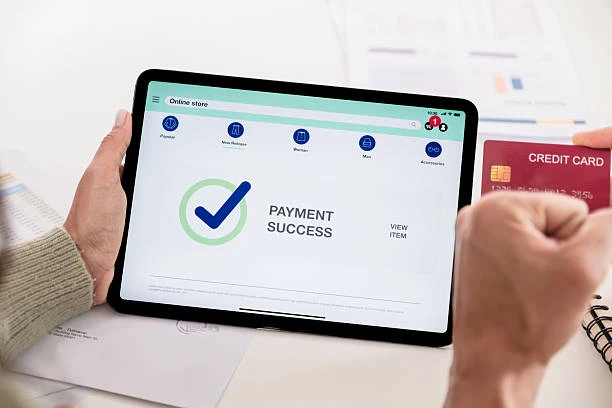
1. Shifting from Selling to Building Experiences
By 2030, customers will no longer be looking for just a product, but for a complete experience from their first visit to the delivery of their order and beyond. Stores that focus on the entire customer journey and build a seamless and easy experience will be the consumer's first choice.
2. Artificial Intelligence Will Become a Core Element, Not an Add-on
Artificial intelligence will be integrated into every aspect of the store, from product recommendations to pricing and customer service. Stores that start using it now will understand their customers more deeply and be able to anticipate their needs even before they ask.
3. Shopping Without Traditional Interfaces
By 2030, purchasing will no longer be limited to a website or app. Voice commands, smart devices, and even connected cars will become sales channels. Preparing for this stage requires a flexible technological infrastructure that supports multiple sales channels.
4. Privacy and Data Security Will Be Crucial
With increased reliance on data, customers will be more aware of their privacy. Any store that doesn't prioritize information security and protecting customer data will quickly lose trust, regardless of the quality of its products or its prices.
5. Personalizing the Experience for Each Customer
A generic experience is no longer enough. By 2030, customers will expect content and offers tailored specifically to them. Stores that intelligently collect and analyze data can deliver a personalized experience that boosts loyalty and increases sales.
6. Full Automation of Operations
Order management, inventory, shipping, and even marketing will be largely automated. Automation reduces operational errors and allows merchants to focus on development and growth instead of being bogged down in day-to-day details.
7. Integration Between Online and In-Store Stores
The difference between online and offline will become almost nonexistent. Customers will expect a unified experience, whether they buy through an app or in a physical store. Preparing for this integration gives stores greater flexibility and reach.
8. Data-Driven Decisions, Not Intuition
By 2030, random decisions will be highly risky. Data analytics and intelligent reporting will be the foundation for pricing, campaign management, and product development. Those who invest in data now will be several steps ahead.
E-commerce in 2030 will not be about speed or cheapness, but about being smarter and better prepared. Investing today in technology, data, and user experience will determine who survives and who falls behind.
متى يكون التنبيه "مساعداً" ومتى يتحول لـ "إزعاج" يحذف تطبيقك
كيف تضغط حجم تطبيقك بنسبة كبيرة وتحافظ على جودة بصرية مذهلة في 2026


You can create your store easily