Free support 24/7


Free support 24/7
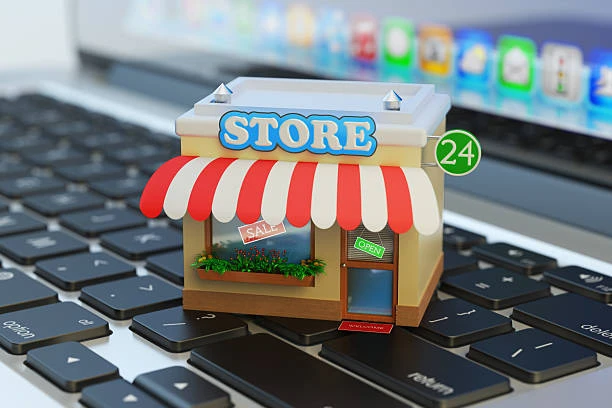
E-commerce is changing faster than ever, with new trends emerging regularly: a new technology, a different buying behavior, or a different sales channel. Stores that prepare early succeed, while those that wait are surprised. In this blog post, we'll explain how to prepare your store for any upcoming change without having to rebuild it every time.
1. Build your store on a flexible, not temporary, foundation.
The biggest mistake is building your store on solutions that only suit your current situation. Flexible systems that can be updated and expanded allow you to adapt to any new trend without a complete overhaul. A scalable store is always more stable during changes.
2. Put data at the heart of your decision-making.
Every new trend begins by changing customer behavior. If you don't have clear data about browsing, purchasing, and interaction, you'll be slow to understand. A well-prepared store is one that monitors data and responds to it quickly.
3. Invest in a long-lasting user experience.
A design that works today but might break tomorrow must be scalable. A good user experience isn't a temporary trend; it's built on clarity, speed, and convenience. These are elements that will withstand any changing trends.
4. Don't limit your store to a single sales channel.
Relying on a single channel is a significant risk. Your store needs to be ready to sell from your website, mobile devices, social media platforms, and even emerging channels. Smart channel integration allows you to capitalize on any trend without undue pressure.
5. Automation protects you during market surges.
During new market surges, there is often sudden pressure. Automated systems for ordering, inventory, and support prevent operational collapse. A store that relies on automation handles sudden growth with stability.
6. Let your team learn, not just implement.
A future-ready store isn't just about systems; it's about mindset. A team that understands technology, learns quickly, and embraces change helps you ride any trend instead of getting bogged down by it.
7. Test before you take risks.
Don't introduce any new technology or idea all at once. Try, measure, and adjust. Smart stores test trends on a small scale before expanding, thus minimizing losses and increasing the chances of success.
8. Focus on value, not hype.
Not every trend is worth jumping on. A well-prepared store can distinguish between a fleeting trend and genuine change that benefits the customer. Focusing on value allows you to choose the right trends and ignore the rest.

متى يكون التنبيه "مساعداً" ومتى يتحول لـ "إزعاج" يحذف تطبيقك

كيف تضغط حجم تطبيقك بنسبة كبيرة وتحافظ على جودة بصرية مذهلة في 2026


You can create your store easily