Free support 24/7


Free support 24/7
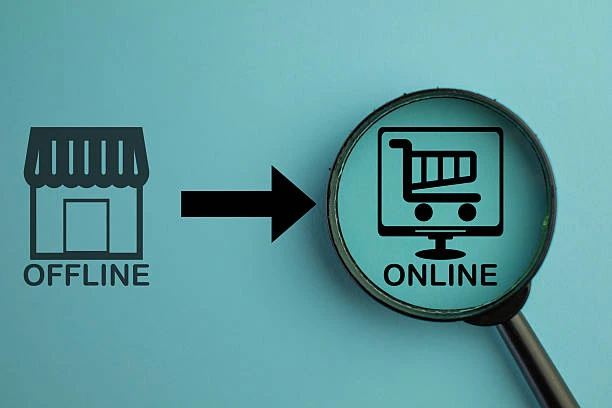
The failure of e-commerce stores isn't the end of the road, but rather a valuable learning opportunity. A smart store owner doesn't wait for the painful experience to happen to them; instead, they observe the mistakes of others and avoid them from the start. In this blog, we analyze the most important lessons any store owner can learn before paying the price themselves.
1. Apparent success doesn't guarantee internal stability.
Many stores appeared successful from the outside with high sales figures, but internally they suffered from weak systems or disorganized management. This failure teaches us that operational stability is more important than temporary numbers.
2. Relying on a single advertising platform is dangerous.
Many stores failed because they tied all their sales to a single advertising platform. Any change in algorithms or an increase in costs was enough to halt growth. Diversification isn't an option; it's a necessity.
3. Ignoring the customer experience builds up slowly.
Failure often comes suddenly, but its causes accumulate quietly. Ignoring complaints, making returns difficult, or delaying shipping gradually kills trust until the customer disappears without warning.
4. Rapid Expansion Without a Strong Infrastructure
Some stores expanded before building a solid technological and operational foundation. Increased demand exposed system weaknesses, and errors began to appear more frequently than they could control.
5. Incorrect Pricing Drains the Store
Failure demonstrates that low pricing is never a solution. Many stores lost money because they didn't calculate actual costs or entered a price war without a safety margin.
6. Ignoring Data is a Costly Decision
Operating without data analysis leads to decisions based on feeling, not reality. Failure here teaches us that numbers reveal problems before they escalate into crises.
7. The Team is Just as Important as the System
Some stores focused on technology and neglected team training. Failure shows that even the strongest system collapses easily without people who understand it.
8. Trust is Destroyed Faster Than Built
A single mistake in privacy, security, or after-sales service is enough to destroy a store's reputation. Rebuilding trust is much harder than maintaining it.
9. Lack of an Exit Plan
Stores failed because they weren't prepared for any worst-case scenario. The absence of contingency plans, or the failure to consider worst-case scenarios, amplified the shock.
Others' failures are a shortcut for you.
Intelligence isn't about never making mistakes; it's about not repeating the mistakes of others.

متى يكون التنبيه "مساعداً" ومتى يتحول لـ "إزعاج" يحذف تطبيقك

كيف تضغط حجم تطبيقك بنسبة كبيرة وتحافظ على جودة بصرية مذهلة في 2026


You can create your store easily