Free support 24/7


Free support 24/7
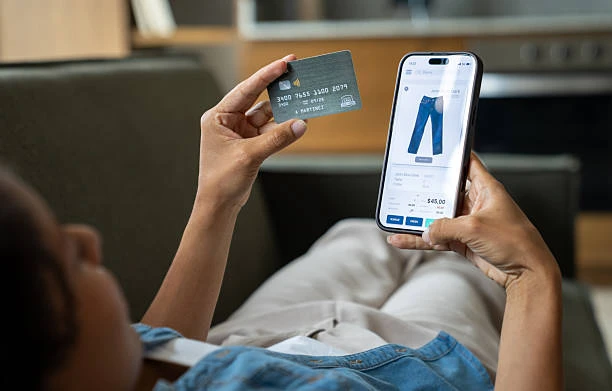
In this guide, we delve into "predictive algorithms" and how to use big data analytics to map user desires for 2026. At "Sahil," we discuss how customers in Saudi Arabia and Egypt value apps that save them the hassle of searching and choosing by providing highly accurate "need-based" suggestions. We explain the programming methodology for linking past user behavior (such as purchases, browsing time, and geographic location) to artificial intelligence capable of displaying the right product at the perfect moment. This content focuses on transforming "static data" into "proactive actions" that make the customer experience feel like pure magic, ensuring the highest conversion rates by shortening the customer journey from "need" to "purchase" to mere seconds.
1. The Psychology of "Golden Timing" and Hidden Needs
At "Sahil," we understand that customers sometimes want something but don't know how to articulate it. Predictive intelligence begins by observing these patterns; If a customer buys coffee every Monday morning, the app in 2026 should display a gentle notification at 8:30 AM asking, "Shall we prepare your usual coffee?" By anticipating the customer's needs, you're not just selling; you're relieving them of the "burden of thinking." This is what makes the customer connect with your app as if it were part of their daily routine, understood without words.
2. Linking Geographical Context to Instant Desire: Location reveals a lot about what we want. At "Sahil," we program the app to understand that if a customer is in a mall or airport, its suggestions must change completely. In Saudi Arabia and Egypt, when a customer is near a shopping area, the app might suggest "instant offers" for products they were searching for last week. Linking location to historical data transforms the app into a "sales compass" that tells the customer what they want based on their current location.
3. Analyzing Browsing Speed and Indecision Indicators
In 2026, intelligence will see beyond the screen. At "Sahil," we analyze finger movements on the mobile device. If a customer is scrolling through many products, it means they are indecisive. The app understands this and offers a comparison chart or a small discount on one of the products to help them make a decision. This intelligent intervention makes the customer feel understood, prevents them from leaving their shopping cart, and transforms their indecision into a successful and convenient purchase.
4. Hyper-Personalization Strategy
At "Sahil," we reject the idea of a single interface for everyone. A successful app in 2026 will have a customized interface for each user. If the customer is athletic, the homepage will feature football gear; if the customer loves cooking, it will feature kitchenware. When the customer opens the app and finds everything tailored to their taste without having to search, they feel a sense of belonging. This increases app usage time because the customer sees it as their "personal gallery," tailored precisely to their interests.
5. Seasonal Engagement and Predicting Personal Events: Data reveals dates customers tend to forget. At "Sahil," we program systems to predict customer events: their spouse's birthday, an upcoming subscription renewal, or even the start of the school year. When you appear a week before an event and say, "We've prepared a list of suitable gifts for you," you become a loyal friend, not just an app. This proactive approach builds boundless loyalty because you save the customer from last-minute rushes.
6. Machine Learning from Nearby Shopping Baskets: Predictive intelligence in 2026 will know that "someone who bought this will definitely want that." At "Sahil," we use algorithms that intelligently connect products. If a customer buys a new phone, it makes sense to offer them a fast charger or a premium case at the top of the page. This anticipation increases the Average Order Value (AOV), and the customer is happy because they found the complementary items they might have forgotten to order, saving themselves another search trip.
7. Transparency in Prediction to Build "Psychological Security"
While anticipation is magical, it must be "respectful." At "Sahil," we recommend that the app clearly tell the customer: "We suggested this to you based on your interest in [specific topic]." When the customer knows "why" the app suggested it, they feel secure and don't feel "spying." This clarity transforms initial amazement into "sustainable trust," and makes the customer more open with their data because they see the result in unparalleled "convenience and service."
Your predictive app is the "mastermind" behind your customer's success; always be one step ahead. What do you think is the request that, if your application offered it to you right now "without you asking for it," you would call brilliant, and how can you "easily" engineer this "digital sixth sense" for your next project?
لماذا يفضل عملاء مصر والسعودية التطبيقات الموفرة للمساحة
كيف تجعل العميل يكتب لك ريفيو إيجابي "بمزاج" ومن غير إلحاح


You can create your store easily